

 ← Case studies
◆ Side trail · Camp 7
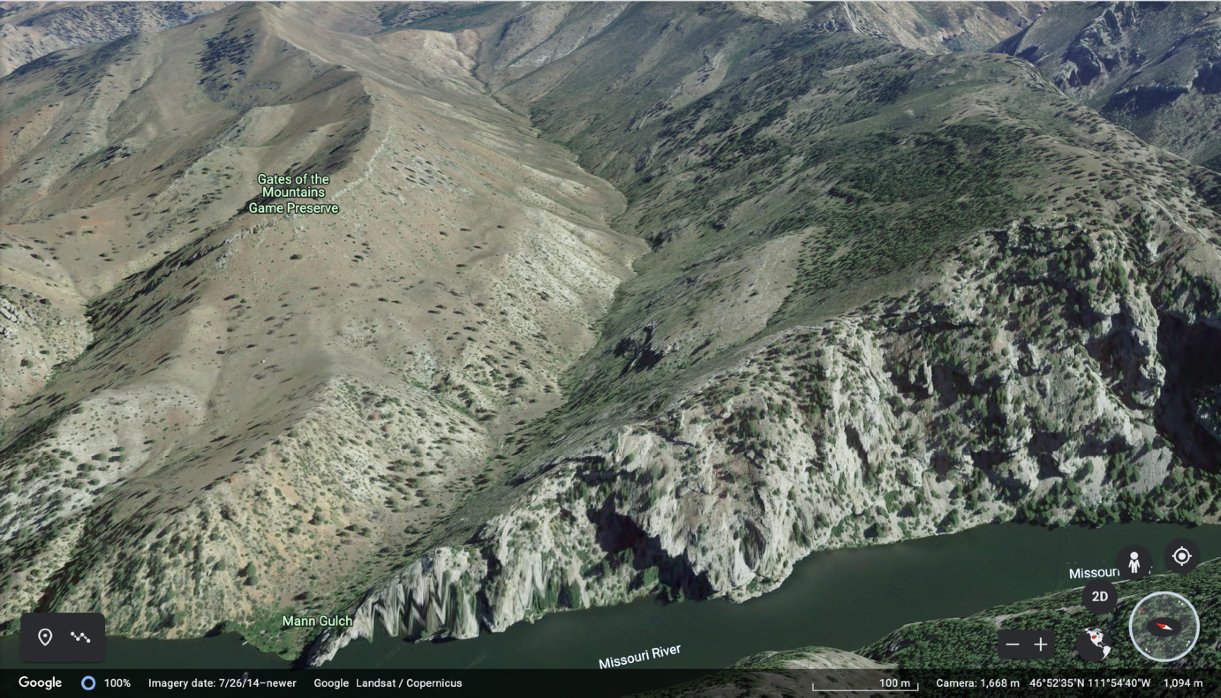
Mann Gulch
Helena National Forest, Montana · August 5, 1949
Sixteen smokejumpers, a leader of few words, and a fire that is about to change everything.
What are some risks of being led?
You're Dodge, flying to the fire with a crew you barely know. What do you do?
Cast your vote before reading on. There's no right answer.
At the height of midday on August 5, 1949, the sun beat down on Helena, Montana at ninety-seven degrees. One hundred miles west, in Missoula, a crew of sixteen smokejumpers boarded a C-47 military aircraft for a thirty minute flight to a burgeoning wildfire in the proximity of the Missouri River. The collection of volunteers included a number of combat veterans in their twenties, an eager seventeen year-old who had lied about his age, and Wagner Dodge: a thirty-three year-old with nine years of firefighting experience. All were physically fit, well-trained, and supremely confident.
Because of his tenure and recognized technical expertise, Dodge had been declared the leader of this hastily-assembled crew. The group hailed from all over the country: Pennsylvania, Massachusetts, New York, and Tennessee. Most of them knew Dodge (or knew of him), but this particular team had not previously worked together. U.S. Forest Service procedure at the time assigned smokejumpers to fires on a rotating basis. Once you’d fought a fire, your name went to the bottom of the list.
The C-47 sat on the runway for a considerable amount of time before taking a silent, turbulence-filled flight to a spot above the landing zone. The plane circled multiple times, attempting to stabilize in the correct position for the crew to exit. Dodge was a man of few words, and stayed quiet until about 4:05 P.M. when he ordered everyone to begin parachuting out the door of the plane. One man—feeling too sick to jump—stayed in his seat and eventually returned to Missoula. The rest of the group hit the ground at 4:10 and gathered their parachutes and eighty-five pound rucksacks. The collecting of tools, sleeping mats, and other items took about an hour as the airborne equipment had scattered across the landscape.
A firefighter on the ground—the one who’d originally identified the blaze—connected with the smokejumpers and provided Dodge a quick overview of the fire. They had parachuted into an area called “Mann Gulch.” The landing zone was on the northeast side of a large ravine while the fire was several hundred meters to the southwest, on the opposite side of the gulch. The group mistakenly believed the firefighter on the ground would have a map. He did not. So navigating somewhat blindly, Dodge moved the crew south and a bit west—into the depths of the gulch—and then directed them to rest, eat, and hydrate.
While Dodge’s team ate their meals, he moved ahead by himself to conduct a reconnaissance. The radio’s parachute had failed to open, and it had been destroyed upon landing. Absent communication, Dodge left Bill Hellman (his second-in-command) in charge while he ventured forward. A few hundred feet from the flames, Wagner Dodge experienced a shock. What had originally been described as a “spot fire” had grown considerably. Winds were surging northeast from the river at twenty to forty miles per hour, fanning the flames across a landscape of tall, dry grass. Dodge retreated to the rest spot and told Hellman to get the crew up and moving. He wanted them to head slightly south—climbing the far slope—so they could elevate and see the fire. The crew was then to turn toward the mouth of the gorge. If the fire spread, and necessity dictated, the men could take refuge in the safety of the Missouri River. At 5:20, He provided his first direct communication to the crew since they had landed—warning them to avoid the thick-timbered forest because it was a “death trap.” Seventeen year-old Robert Sallee did not recall Dodge looking worried at that point.
As the rest of the team set out towards the water, Dodge moved a bit east (the opposite direction) to retrieve his food. Twenty minutes later, the crew had become separated (into two groups about 500 feet apart) and confused. Hellman failed to communicate instructions, so another member (David Navon) tried to take charge and organize the men. Dodge—still gathering his things—started to grow nervous about the progress of the fire, ate a can of Irish potatoes, and rushed back to his team. At about 5:45 PM, he’d brought the group back together and taken his place at the head of the formation. Hellman assumed a position in the rear of the column. For the briefest of moments, the smokejumpers were laughing, taking pictures, and almost whistling their way to a good night’s rest. No one seemed concerned. And then Dodge saw the fire cross the gulch and head toward them on the northern slope. The flames were blocking their path to the river.
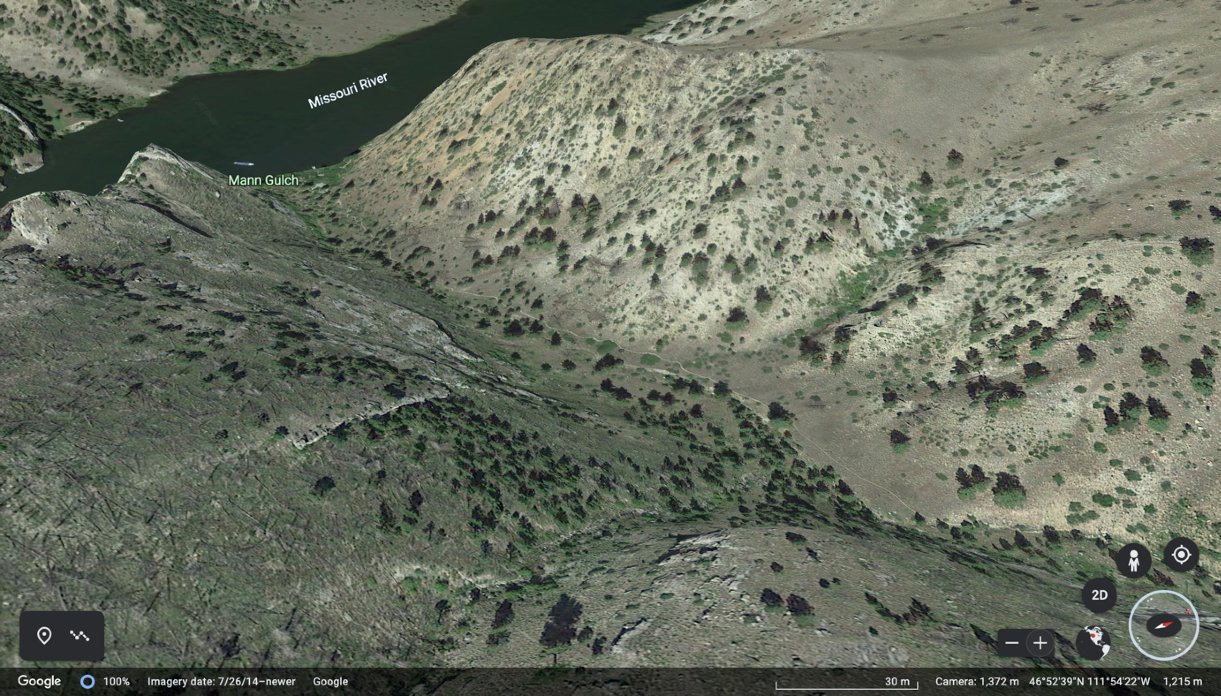
The fire has blocked the path to the river. How do you retreat?
Cast your vote before reading on. There's no right answer.
The flames are blocking the crew's path to the river. If you were Wagner Dodge, what would you do — and would your crew follow you?
- How much trust had Dodge built with this crew before the crisis? Where did he spend or miss chances to build it?
- What role did communication — or its absence — play?
- Why might a capable crew ignore a leader's instruction in a moment of danger?
Part B unlocks once you've made your call.
Part B is locked
Source: The Referent Group, adapted from Michael Useem, The Leadership Moment